Cat® HYDRAULICS: BUILT FOR YOU
Cat® Hydraulics: Built for Your Equipment’s Long Lifecycle
When it comes to keeping your equipment running strong, hydraulic health isn’t something to leave to chance. That’s why Cat hydraulic pumps and motors are engineered to meet the exact specifications of Cat equipment delivering durability, performance, and reliability in even the toughest conditions.
Why Cat Hydraulics Make the Difference
Cat pumps and motors are designed to do more than just function — they’re built to increase uptime, extend component life, and maximize efficiency. With advanced fluid flow control, improved power density, and lower noise emissions, these components not only enhance performance but also contribute to a safer jobsite.
Tested for Real-World Demands
Every Cat hydraulic pump and motor undergoes rigorous testing and validation in real-world conditions. This ensures stability across the entire hydraulic system and gives you confidence that your equipment will perform when it matters most.
Your Trusted Source for Cat Hydraulics Service
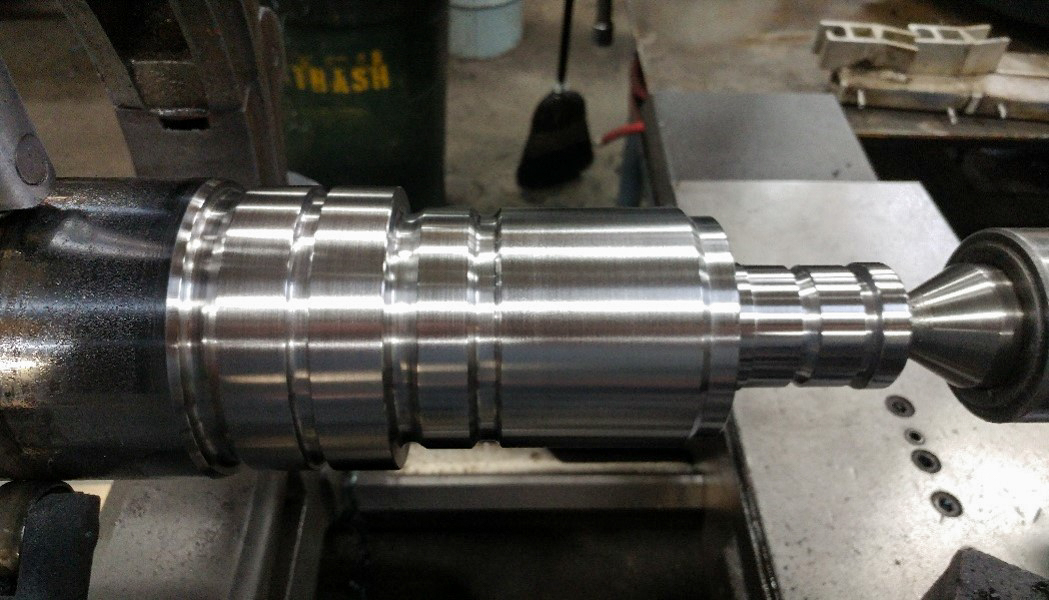
Your local Cat dealer offers a full range of hydraulic component repairs and replacements, backed by expert technicians and a wide selection of maintenance services. Whether it’s reroding, retubing, welding, or system testing — we’ve got you covered.
How to Inspect Your Hydraulic System:
-
Start the engine and listen carefully for noises like whining or grinding. This could indicate pump cavitation or a failed bearing.
-
Shut down the machine and release hydraulic pressure. But before continuing your inspection, make sure components have had time to cool off.
-
As you walk around the machine, check sight gauges to see if you need to add any fluids and replace any loose or damaged hose clamps.
-
Look around the steering and brake valves and hydraulic pump for leaks and damaged hoses.
-
Inspect the oil cooler and condenser lines for leaks and worn hoses, and make sure the fan motor connection points are free of leaks.
-
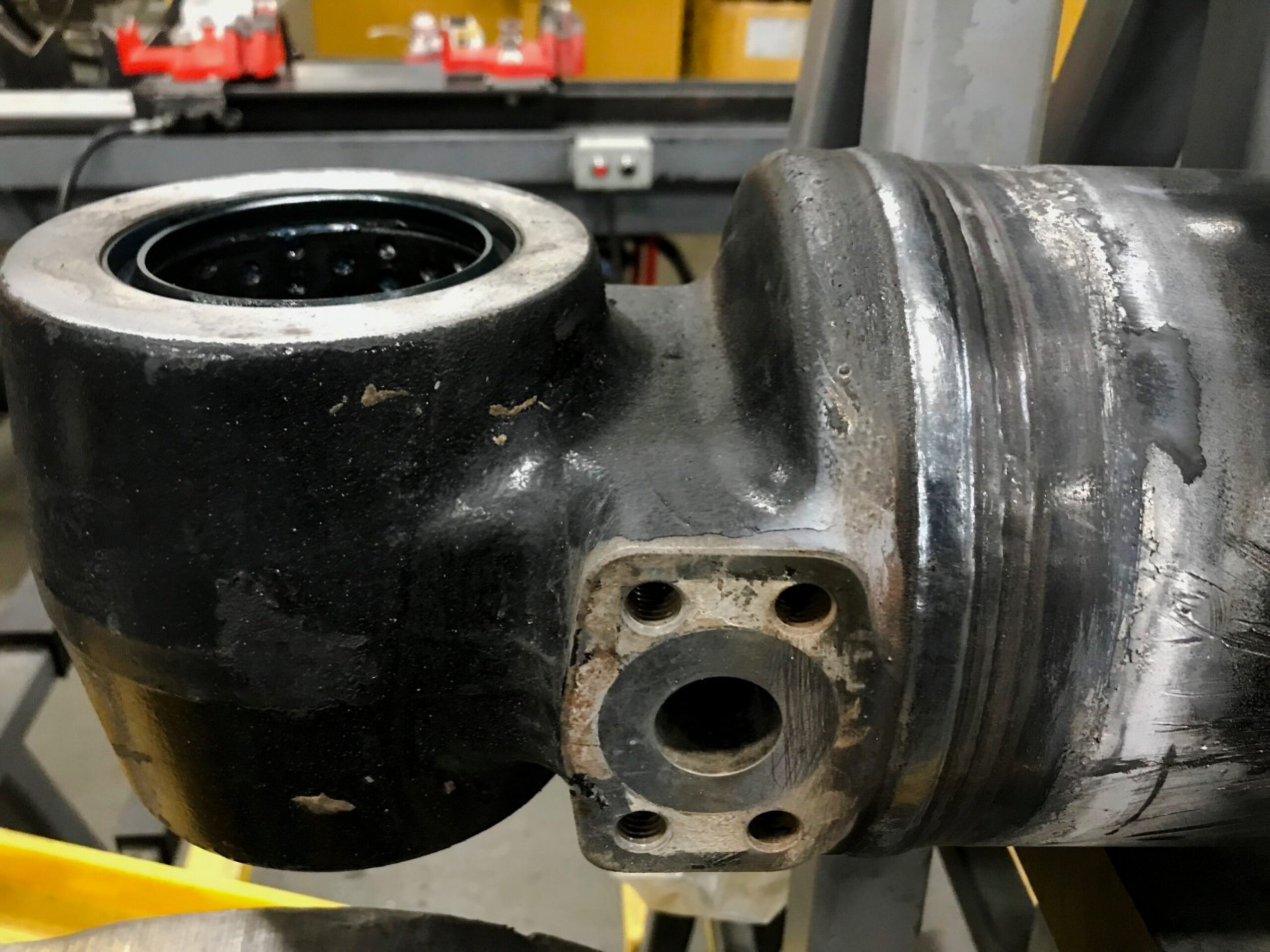
Check for damage to cylinder rods, linkage pins or joints.
Ready to power up your hydraulics?
Visit Western States Cat or contact us today to schedule service and keep your equipment performing at its best.